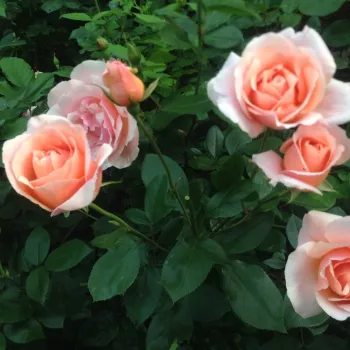
CORALINE – apricot climbing rose – Eve
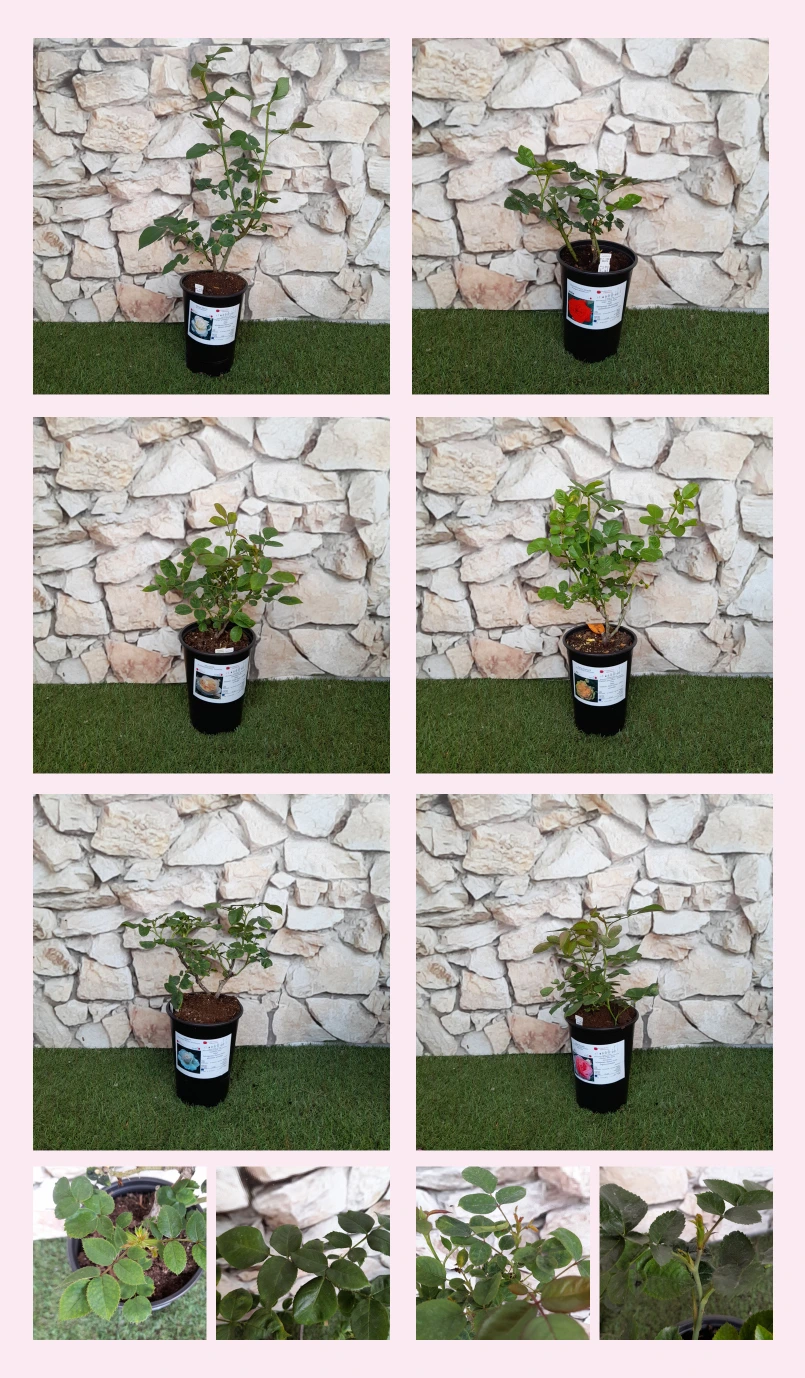
Soft apricot blooms, airy growth and quietly reliable vigour make CORALINE an inviting choice for relaxed coastal-style gardens where you want colour without fuss. This medium-maintenance climber settles steadily on arches, fences or sheltered verandas, coping well with breezy conditions and helping your garden feel anchored even when the weather turns blustery, echoing how a well-planted rose can secure and stabilise exposed, windy corners in a family garden. Its semi-double flowers with exposed stamens offer a gentle nod to visiting bees, while moderate disease tolerance means you simply keep an eye on foliage and tidy when convenient. Grown on its own roots, CORALINE develops a resilient framework that can regenerate from the base and support a long ornamental life in your garden. Over the first three years it quietly builds below and above ground – strengthening roots, then extending flexible shoots, and finally delivering its full curtain of colour along pergolas and sunny house walls with pleasing regularity. In containers, a large 40–50 litre pot provides the depth and stability this rose appreciates, particularly on an upper-storey balcony or coastal veranda. CORALINE’s semi-double flowers and relaxed habit suit naturalistic plantings with ornamental grasses and perennials, while its moderate height makes it easy to manage and shape to your space. Whether you are a busy homeowner or a beginner building confidence, this rose turns everyday outdoor corners into moments of seaside refreshment, painting them with sunny apricot tones and an easy, almost spontaneous romance. Think of late afternoons on the veranda, a light breeze moving through its flexible growth, petals scattered like seashells on the paving, and the reassuring sense that your planting will endure with only modest attention.
Usage options
| Target area |
Reasoning |
| Coastal veranda or balcony, sheltered from the harshest salt spray |
CORALINE’s flexible climbing habit and moderate height make it well suited to training along railings or posts in breezy, coastal locations where full exposure would be too harsh. Its warm apricot flowers soften hard lines and bring a seaside, holiday feel without demanding constant care, particularly when grown in a sturdy 40–50 litre container that balances root space with stability for beginners who want reliable colour. |
| Family garden pergola in a small to medium plot |
This rose’s semi-double, medium-sized blooms repeat well, giving a long season of interest over a compact pergola without overwhelming a modest family garden. Its climbing framework is straightforward to tie in once or twice a year, keeping pathways and seating areas clear. As an own-root plant it forms a durable base that can be refreshed by occasional pruning, rewarding patient hobby gardeners seeking lasting structure. |
| South- or west-facing house wall near a seating area |
On a warm, lightly sheltered wall, CORALINE offers repeated flushes of salmon-peach flowers at eye level where their delicate, classic rose fragrance can be appreciated at close quarters. The moderately dense foliage helps soften brick or rendered surfaces while still allowing good air circulation, and routine deadheading is optional thanks to its partial self-cleaning, suiting busy homeowners who prefer low-key upkeep. |
| Lightly shaded fence run beside a garden path |
Because CORALINE tolerates partial shade, it can brighten the side of a garden where sun arrives only part of the day, especially along a boundary fence. The semi-double blooms retain their colour reasonably under such conditions, and the mid-green, slightly glossy foliage maintains a neat backdrop. Medium maintenance needs fit those comfortable with occasional checks rather than weekly attention, ideal for time-pressed gardeners. |
| Informal pillar rose in a cottage or coastal-style border |
Trained up a sturdy pole or obelisk, this climber forms an informal column of apricot and soft pink that blends easily with perennials like sea kale, Lavandula and ornamental grasses. The moderate thorniness is manageable when tying in stems, and its repeat-flowering habit keeps the pillar lively from early summer onwards, appealing to design-conscious homeowners who enjoy relaxed, “girly” borders without intricate pruning. |
| Small shingle garden with wind-exposed corners |
In a shingle or gravel garden, CORALINE’s root system gradually secures the planting pocket while its climbing habit lifts colour above low perennials, giving structure without taking much ground space. With sensible soil preparation for drainage and watering in dry spells, it copes well with blustery weather, reflecting how a well-established climber can help anchor and stabilise wind-prone family gardens for coastal-style enthusiasts. |
| Mixed border backdrop with grasses and late-summer perennials |
Used along the rear of a border, CORALINE’s arching shoots and pastel shades weave comfortably with Festuca, sea kale and Crocosmia for a layered, textural effect. Semi-double blooms offering accessible stamens add a modest resource for visiting pollinators, while the moderate production of orange-red hips extends visual interest into autumn, suiting wildlife-aware beginners who favour soft structure over rigid formality. |
| Cutting corner for casual home bouquets |
The long, climbable stems provide useful flowering lengths that can be cut for relaxed indoor arrangements, combining peach tones with other pastel or white garden flowers. Removing some stems for vases doubles as gentle pruning, stimulating new growth for later flushes. This dual-purpose habit works well for hobby florists and family gardeners who like effortless garden-to-table flowers and a forgiving, long-lived rose to practise with. |
Styling ideas
- Seaside-arch – train CORALINE over a simple wooden arch with sea kale and blue Festuca at its feet for a breezy Cornwall-inspired entrance – perfect for coastal-style lovers wanting low-effort impact.
- Balcony-nook – grow it in a 40–50 litre container on a sheltered veranda with a bistro set and pale gravel underfoot – ideal for busy urban owners craving a soft, seaside escape.
- Pastel-pergola – pair its salmon-peach blooms with lavender, Gypsophila and white Anemone around a compact pergola – suited to beginners seeking a gentle, “girly” tea-corner atmosphere.
- Shingle-screen – let it cloak a wire fence rising from shingle with low grasses and succulents to filter wind and views – good for homeowners wanting privacy without heavy structures.
- Cottage-column – spiral CORALINE up an obelisk amid Crocosmia and soft pink perennials for an informal, romantic pillar – appealing to hobby gardeners who enjoy relaxed, nostalgic borders.
Technical cultivar profile
| Property |
Data |
| Name and registration |
Collection Rambling rose; climbing rose exhibition category; trade name CORALINE – apricot climbing rose – Eve; American Rose Society exhibition name CORALINE; large-flowered climbing rose group. |
| Origin and breeding |
Bred by André Eve in France and introduced in 1976 by Clause; parentage unknown; developed as a vigorous ornamental climber suitable for European garden conditions and temperate climates. |
| Growth and structural characteristics |
Climbing habit with moderately thorny, flexible canes; height about 250–400 cm and spread 150–260 cm; moderately dense, slightly glossy mid-green foliage; partially self-cleaning with some hip formation. |
| Flower morphology |
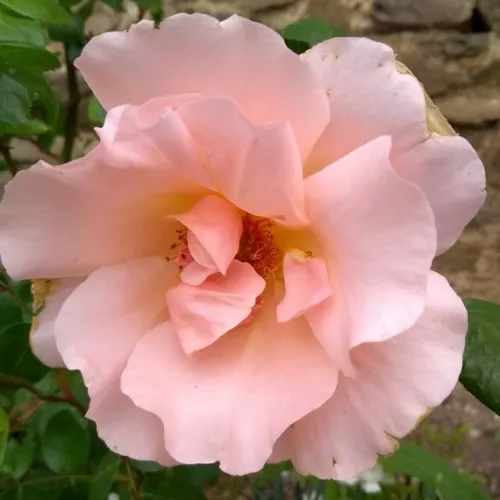
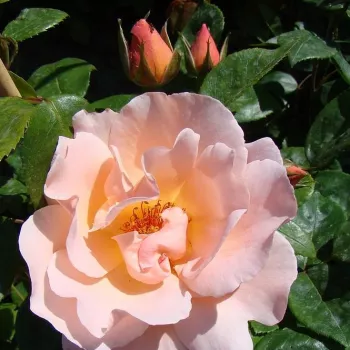
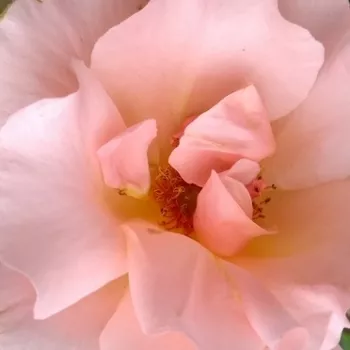
Semi-double, flat blooms with 13–25 petals, borne mainly solitary; large flower size around 7–10 cm; remontant with a generous second flush, providing repeated display through the main season. |
| Colour data and phenology |
Warm salmon–peach base softened by pink hues; buds peachy-pink, opening intense salmon-peach with brighter centres; colour lightens to even peach then pastel pink and cream edges, fading faster in strong sun. |
| Fragrance and aroma |
Delicate, classic rose scent of very weak strength; fragrance is noticeable only at close range, making it a subtle companion near seating without overwhelming nearby spaces or competing with other scented plants. |
| Hip characteristics |
Forms moderate quantities of ovoid, orange-red hips, about 12–18 mm in diameter; decorative in late season, especially against mid-green foliage, and adding gentle wildlife and textural interest into autumn. |
| Resistance and winter hardiness |
Hardy to around −21 to −18 °C (RHS H7, USDA 6b; Swedish Zone 3); disease resistance moderate to black spot, powdery mildew and rust; regular monitoring and timely care support long-term garden performance. |
| Horticultural recommendations |
Best on pergolas, fences, walls or pillars; suitable as a seasonal cut flower; prefers well-drained soil with steady moisture; medium maintenance, with occasional pest and disease control and structured tying-in. |
CORALINE – apricot climbing rose – Eve offers repeat apricot flowering, flexible climbing structure and durable own-root growth for family gardens and coastal-style verandas; consider it when you want lasting colour with manageable care.