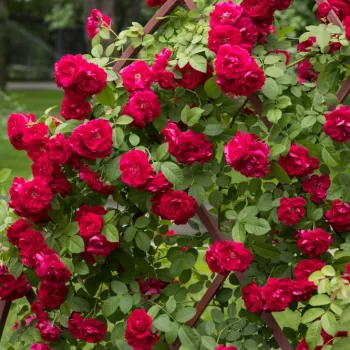
FLAME DANCE – red climbing rose - Kordes
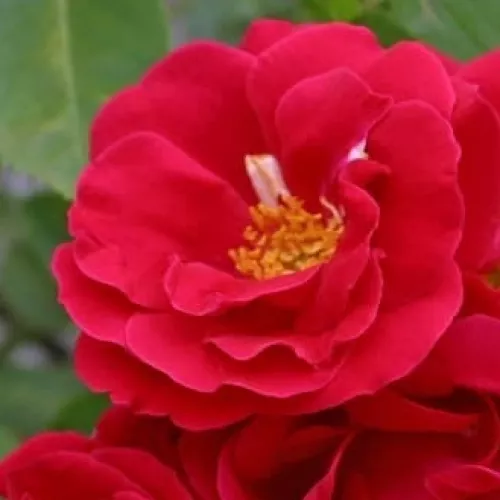
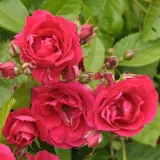
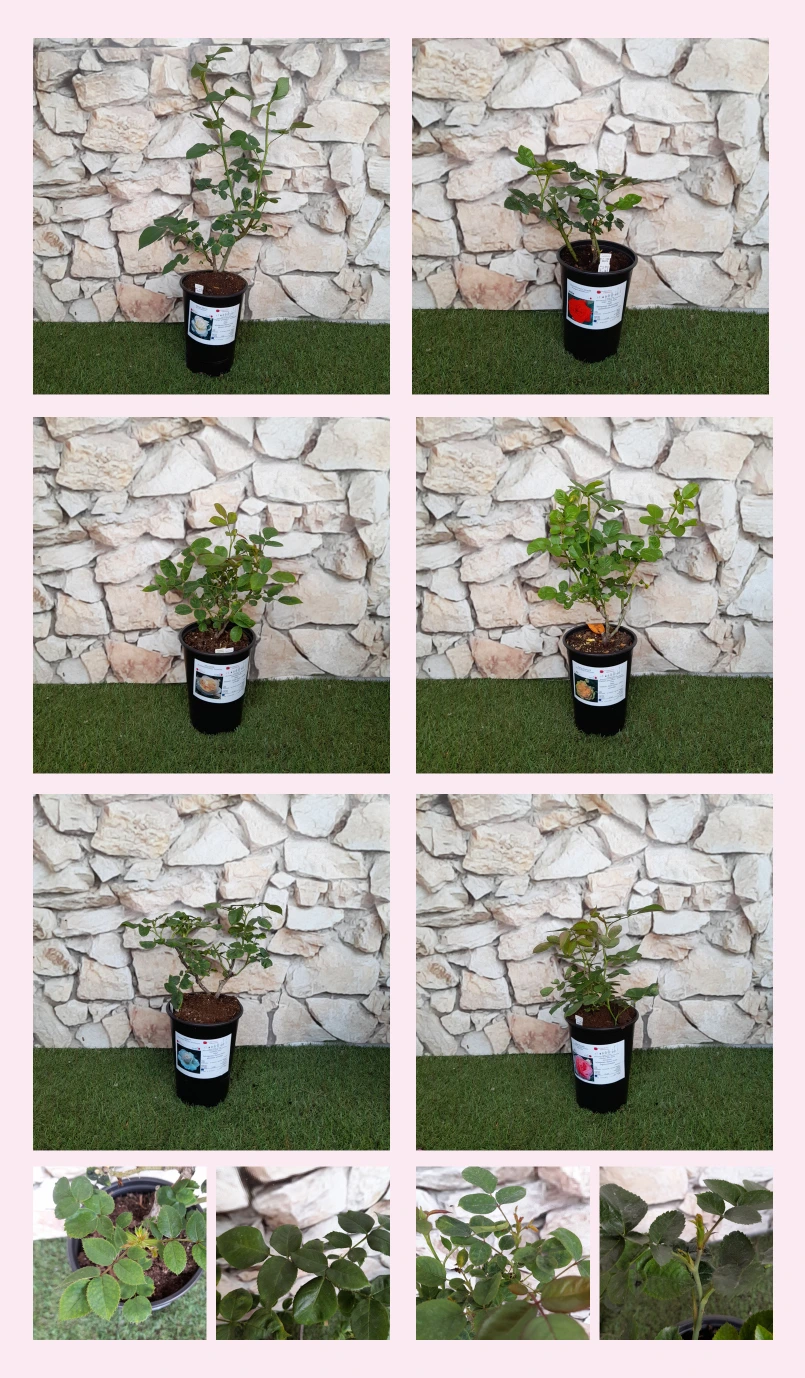
Let Flame Dance transform a modest family garden into a sheltered, seaside-feeling retreat: its vivid red clusters move like flickering flames against dense, mid-green foliage, creating a joyful, “girly” backdrop for shingle, shell and driftwood details. This large-flowered climber anchors itself strongly over time, coping well with brisk coastal breezes and steadily improving where drainage is well managed in heavier soils, so it suits pergolas and verandas in Cornwall or Devon as well as more inland plots. In a generous 40–50 litre container or open ground, its semi-double blooms, open centres and pollinator-friendly clusters give long, showy colour and movement for relaxed afternoons outside. The own-root form settles in calmly and then picks up pace, with its first year focusing on roots, the second on extending shoots, and by the third delivering its full ornamental impact and long-lived, easily renewed structure.
Usage options
| Target area |
Reasoning |
| Family pergola or veranda screen |
Flame Dance is ideal for clothing a family pergola or veranda with a loose, semi-formal screen of rich red flowers and dense foliage. Its climbing habit and strong framework provide lasting structure, giving you privacy without feeling boxed in, perfect for relaxed, low-fuss gardeners and beginners. |
| Coastal, shingle-style garden |
The sturdy growth and reliable flowering adapt well to breezier, coastal-style layouts with shingle, timber and containers. Over time it anchors securely and responds well where drainage is managed on heavier clay, supporting the feeling of a bright, wind-brushed seaside corner for coastal-lovers. |
| Vertical accent on walls or fences |
Use it to lift the eye and add instant drama on a sunny wall or fence, where its vivid red blooms create a striking vertical ribbon of colour. The long-lived woody framework is easy to tie in, giving years of decorative cover for time-pressed householders and busy-owners. |
| Pollinator-friendly family garden |
The semi-double, cup-shaped flowers open wide to show their stamens, offering accessible pollen to visiting bees while still looking lush and ornamental. This makes Flame Dance a practical choice where you want wildlife interest without turning the garden into a meadow, suiting nature-aware families. |
| Own-root, long-term feature rose |
As an own-root climber, Flame Dance steadily thickens from the base, renewing itself if cut back and avoiding the worry of graft failure. This underpins a long lifespan and stable appearance with less replacement and replanting, reassuring value-conscious home gardeners and planners. |
| Colour focus near seating areas |
Planted by a seating nook, its medium-sized clusters of deepening red flowers provide a vivid yet harmonious backdrop for tea, reading or conversation. The movement of flowering clusters in the breeze adds life and atmosphere without demanding constant tending, ideal for relaxed terrace users and loungers. |
| Large container on balcony or terrace |
Given a 40–50 litre or larger container with support, Flame Dance builds a compact vertical presence where border space is limited. Its easy-to-train canes and enduring framework reward basic watering and feeding with season-long colour, suiting small-space gardeners and urban balcony-owners. |
| Seasonal cut-flower source |
The medium, cluster-borne blooms with a spicy-sweet scent lend themselves to casual cutting for jugs indoors, especially from the first, more generous flush. Cutting encourages new shoots while still preserving the plant’s structure, appealing to those who like simple home-arranged flowers and stylers. |
Styling ideas
- Seaside-pergola – Train Flame Dance over a simple timber pergola above shingle and potted sea kale, echoing red blooms against pale gravel – ideal for coastal-veranda dreamers.
- Courtyard-arc – Form an archway from two plants leading to a small patio, underplanted with Festuca and lavender for movement and fragrance – perfect for compact family gardens.
- Romantic-fence – Soften a boundary fence with long, sweeping canes and companion Coreopsis verticillata at the base for contrasting texture – suited to homeowners wanting gentle enclosure.
- Balcony-column – In a 50 litre container, guide stems up a tall obelisk beside outdoor seating, letting red clusters frame evening views – good for busy urban balcony users.
- Wildlife-ribbon – Combine Flame Dance with hemp-agrimony and airy grasses in a loose border to support bees while keeping strong structure – appealing to nature-focused families.
Technical cultivar profile
| Parameter |
Data |
| Name and registration |
Climbing rose, Hybrid Rubiginosa, large-flowered climber; registered as KORflata, marketed as Flame Dance Climbing rose KORflata; American Rose Society exhibition name Flammentanz. |
| Origin and breeding |
Bred by Wilhelm J. H. Kordes II (W. Kordes’ Söhne, Germany) from Rosa eglanteria × Rosa kordesii; introduced by W. Kordes’ Söhne in 1955 as an unregistered but established garden climber. |
| Awards and recognition |
Holds the historic German ADR distinction (1952 context), reflecting robust garden performance under trial conditions for its time, especially regarding winter hardiness and dependable ornamental effect. |
| Growth and structural characteristics |
Strong climbing habit with dense, slightly glossy mid-green foliage; height typically 240–400 cm with 100–200 cm spread; canes well-suited to training on arches, fences, pergolas or substantial obelisks. |
| Flower morphology |
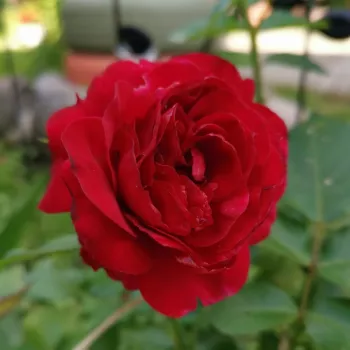
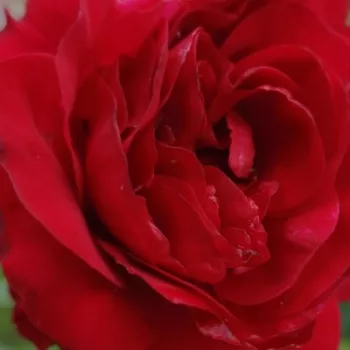
Semi-double, cup-shaped cluster-flowered blooms with about 13–25 petals; medium flower size (approx. 1.5–2.75 in), producing generous first flush with lighter repeat, generally self-cleaning at a moderate rate. |
| Colour data and phenology |
Vivid scarlet to deep red (RHS 53A–53B), darkening towards petal edges; colour holds well, maturing to dark cherry red with a slight blackish veil; maintains intensity from bud through full bloom before fading. |
| Fragrance and aroma |
Medium-strength, pleasantly spicy-sweet scent noticeable at close range, particularly around seating height; open, semi-double flowers expose stamens, adding pollinator interest while scent enriches nearby sitting areas. |
| Hip characteristics |
Rosehip production is generally low; where present, forms occasional egg-shaped, orange-red hips around 18–26 mm across, adding modest late-season interest without creating significant self-seeding concerns. |
| Resistance and winter hardiness |
Very hardy (approx. –29 to –26 °C; RHS H7, Swedish Zone 4, USDA 5a); tolerates heat with watering in drought; needs regular protection against black spot and monitoring for powdery mildew and rust. |
| Horticultural recommendations |
Prefers sunny sites; ideal for pergolas, walls, fences, arches and park planting; spacing 140–225 cm depending on use; approximately 0.4–0.5 plants/m² in mass planting; allow space for training and airflow. |
FLAME DANCE – red climbing rose - Kordes offers vivid long-season colour, a durable climbing framework and the reassuring resilience of an own-root plant, making it a thoughtful choice if you want a lasting vertical feature.