Little Rambler – pink miniature climbing rose for carefree coastal charm
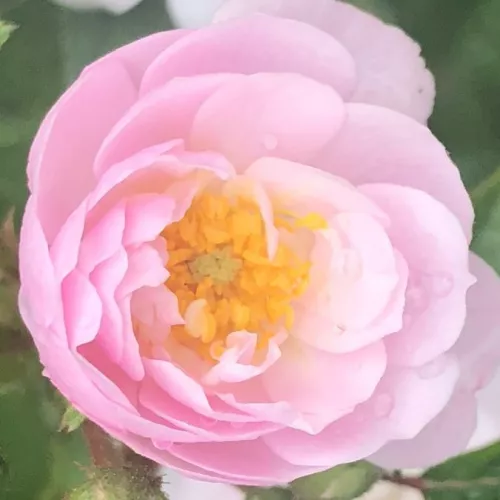
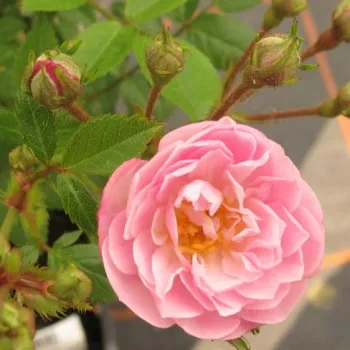
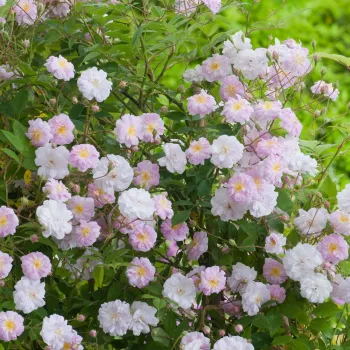
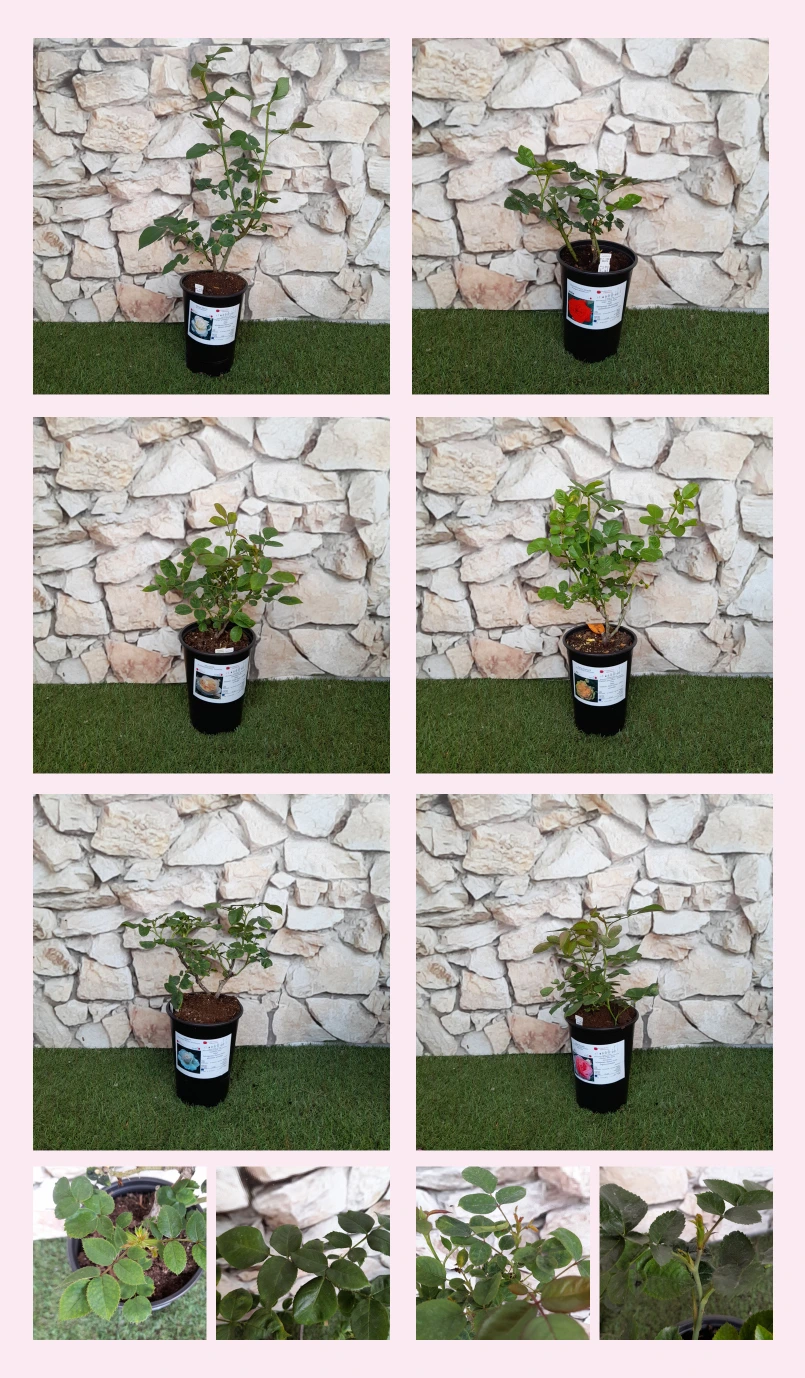
With its dainty clusters of soft sugar-pink blooms, Little Rambler brings a sense of seaside refreshment to compact spaces, thriving happily where you feel a gentle, salty breeze and steady winds along the coast. This own-root climber is planted once, then steadily builds a long-lived framework that shrugs off pruning mistakes and keeps your veranda or fence flowering for years with minimal effort. Ideal for beginners, its moderate size and flexible canes make it simple to tie in on railings or obelisks, while the glossy dark foliage and scattered red hips provide interest beyond the main flush. Enjoy reliable repeat flowering from early summer, with pastel pink clusters that suit “girly” shingle schemes and relaxed family gardens. Over time its roots deepen, giving you a well-anchored, stable plant that copes well with coastal conditions, and the own-root habit supports gentle regeneration after harsh winters. From a small, easy-to-handle 2-litre rose in the first year to stronger shoots in the second and a full, romantic display by the third, Little Rambler is an easy-going companion for everyday garden life.
Usage options
| Target area |
Reasoning |
| Coastal veranda or balcony railings (large containers) |
Compact climbing growth and flexible canes make Little Rambler easy to train along balcony railings without overwhelming small spaces, especially in 40–50 litre planters where its roots can anchor deeply and cope with breezier coastal weather for beginners. |
| Family garden pergola or light arch |
The modest height and sparse thorns suit child-friendly gardens, creating a soft, pastel arch without dense, aggressive canes; once tied in, it repeats flower with little more than seasonal tying and the occasional tidy, ideal for a low-fuss family. |
| Shingle or gravel seating corner near the house |
Pastel pink clusters and glossy foliage bring a feminine, cottage feel to a shingle seating nook, while the plant’s own-root vigour means it steadily matures in the same spot for many years with stable flowering, rewarding a relaxed, sit-and-enjoy owner. |
| Obelisk or pillar in a mixed border |
Medium-height canes wrap neatly around an obelisk, and the small double flowers appear in generous clusters, giving vertical colour without casting deep shade; this makes it a good “soft accent” for busy gardeners wanting structure with little ongoing attention. |
| Along a low fence in a small front garden |
Its climbing habit and dense foliage form a gentle screen without taking too much depth from a narrow border, and the moderate disease resistance is usually manageable with basic care, suiting homeowners who want neat kerb appeal without specialist knowledge. |
| Partially shaded side path or alley |
Suitable for partial shade, Little Rambler continues to flower where many roses sulk, especially against a light wall or fence; once established, it needs only routine watering in dry spells, supporting those managing side passages with limited time. |
| Pollinator-friendly family play area edge |
The open-centred, double clusters show visible stamens that attract bees, so you gain gentle wildlife interest at the edge of lawns or play areas without huge, blowsy blooms; this suits nature-conscious households seeking subtle biodiversity for the whole family. |
| Clay-based coastal garden with improved drainage |
Where heavy soils have been opened up with grit, this own-root climber rewards you with steadily stronger growth and reliable repeat blooms each year, as its deepening roots help anchor it against blustery conditions along the coast, reassuring a cautious gardener. |
Styling ideas
- Seaside-rail Romance – Train Little Rambler along a veranda railing in large tubs with sea kale and blue Festuca to echo Cornish dunes – ideal for coastal-style lovers wanting a soft, feminine touch.
- Pastel-Arch Retreat – Let it climb a slim arch over a shingle path, underplanted with Nepeta x faassenii for a breeze-swayed, scented tunnel – perfect for hobby gardeners creating a gentle escape route to their seating area.
- Girly-Bed Corner – Use Little Rambler on a compact obelisk with lamb’s ear and oxeye daisy at the base for a fluffy, pastel “girly” corner – great for beginners transforming an overlooked garden edge.
- Front-Garden Screen – Run its canes loosely along a low front fence, backed by lavender for structure and scent, to frame the house without blocking light – suited to busy homeowners wanting easy kerb appeal.
- Playful-Pollinator Nook – Place a climbing support near a family seating area and mix in informal catmint drifts, creating a bee-friendly but soft-looking flowering focus – appealing to families encouraging gentle wildlife interest.
Technical cultivar profile
| Parameter |
Data |
| Name and registration |
Miniature climbing rose, registered as CHEWramb, traded as Little Rambler; part of the climbing rose collection and approved for exhibition under the name Little Rambler. |
| Origin and breeding |
Bred by Christopher H. Warner in the United Kingdom (1989) from complex parentage involving ‘Cécile Brunner’, ‘Baby Faurax’, ‘Marjorie Fair’ and ‘Nozomi’; introduced by Warner’s Roses in 1994. |
| Awards and recognition |
Holds a Certificate of Merit awarded in Great Britain in 1991, reflecting proven garden performance and ornamental value in trials prior to its wider commercial introduction to the public market. |
| Growth and structural characteristics |
Climbing habit with dense, glossy dark green foliage and sparsely thorned canes; height around 180–260 cm and spread 160–240 cm, forming a medium-sized, easily handled framework on supports. |
| Flower morphology |
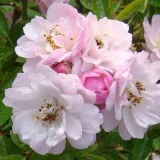
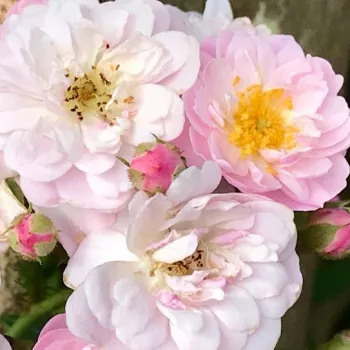
Small, double, cup-shaped flowers with around 20–30 petals, borne in cluster-flowered sprays; remontant, with an abundant second flush that extends ornamental value well beyond the first summer flowering. |
| Colour data and phenology |
Pale pastel pink, ARS LP, RHS 65C–65D, opening soft sugar-pink then fading toward almost white edges; colour retention moderate, giving a gentle, multi-toned effect across clusters as each flower matures. |
| Fragrance and aroma |
Mild, soft floral fragrance that stays unobtrusive around seating areas; flower form with visible stamens offers moderate pollinator appeal, drawing bees and other insects without overpowering nearby spaces. |
| Hip characteristics |
Forms small spherical red hips, approximately 4–7 mm in diameter, in moderate quantities; hips add a light decorative accent and some wildlife interest once the main flowering display has finished. |
| Resistance and winter hardiness |
Moderate resistance to black spot, powdery mildew and rust, performing reliably with basic garden hygiene; winter hardy to about −18 to −15 °C, corresponding to RHS H6 and USDA zone 7a conditions. |
| Horticultural recommendations |
Suited to pergolas, fences, obelisks and containers of at least 40–50 litres; prefers improved drainage on heavier soils and benefits from irrigation in extended droughts to maintain repeat flowering quality. |
Little Rambler offers compact climbing growth, repeat pastel blooming and long-term stability from its own-root form, making it a graceful choice for those planning a relaxed, low-maintenance garden investment.